Jo Brenneis
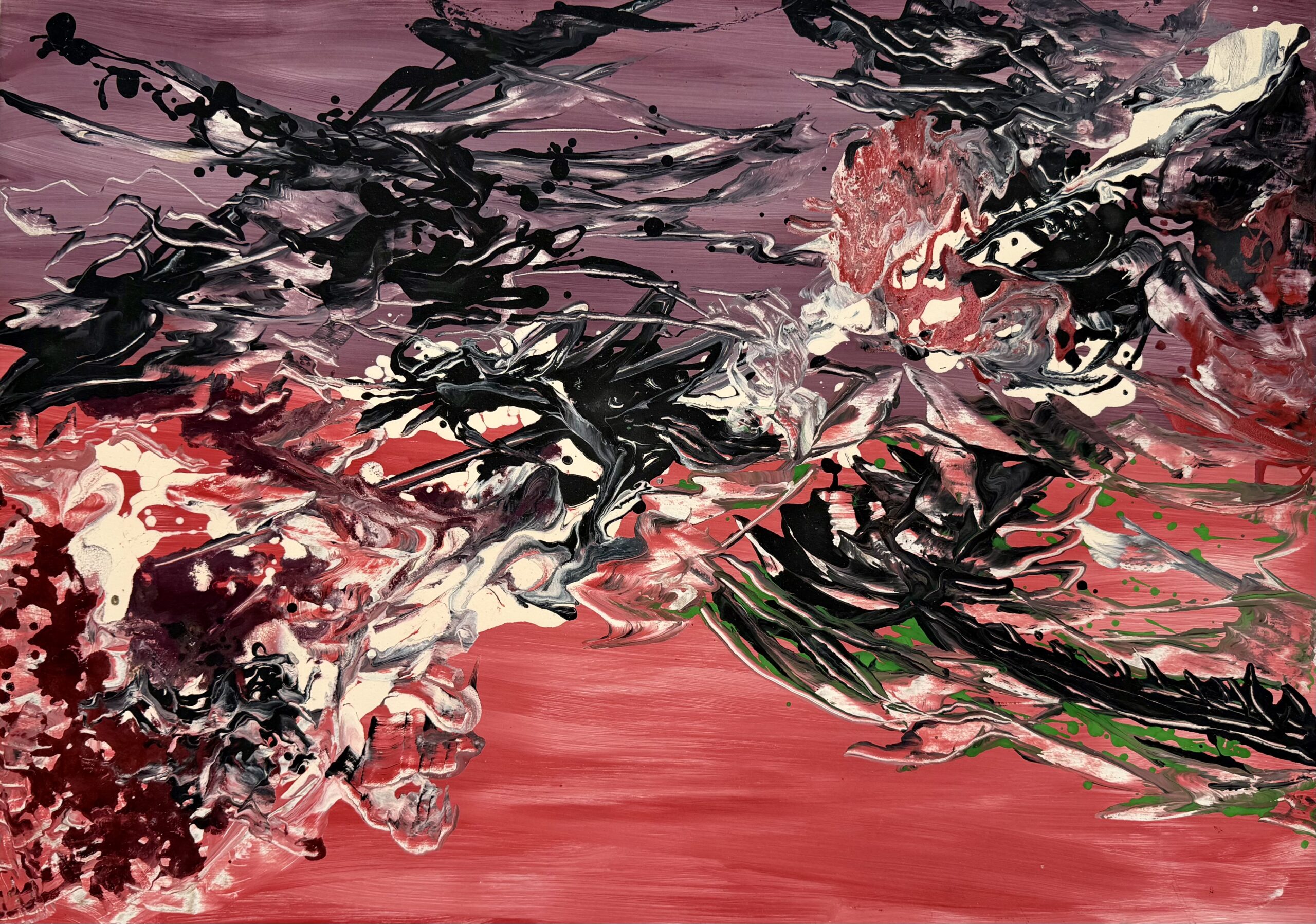
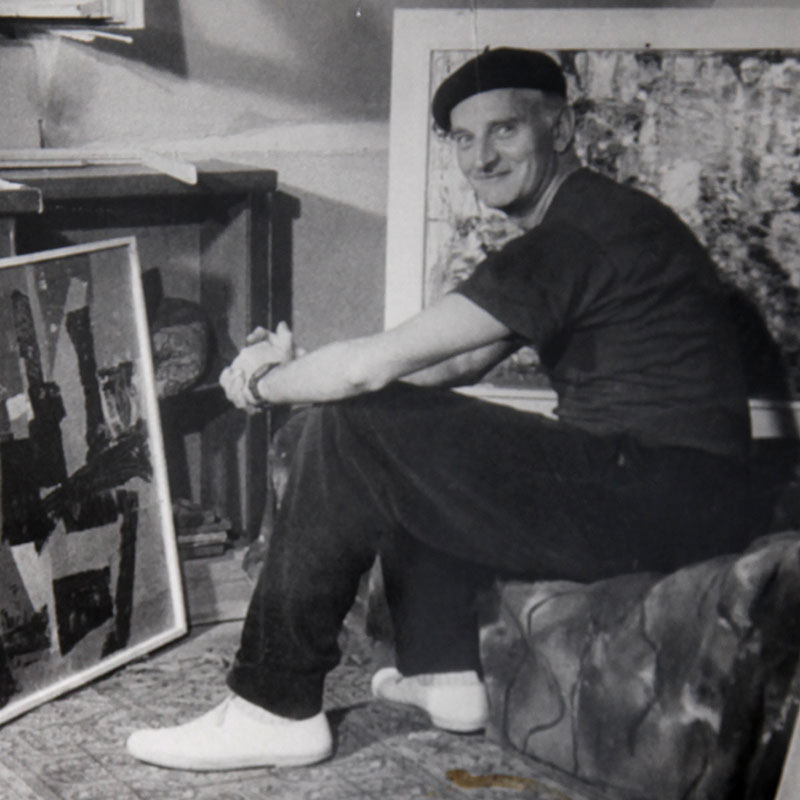
Jo Brenneis was born on February 19, 1910, in Aschaffenburg, Germany. From an early age, he displayed an extraordinary passion and talent for painting. Already in the third grade, he decided to become an artist and began taking painting lessons with the painter Marie von Fragestein. He later studied at the Werk- und Kunstschule Offenbach under Professors Doll, Maier, Kuders, and Wolf.
Since 1931, Brenneis worked as a freelance artist. His early paintings were strongly influenced by Impressionism and Expressionism, characterized by vibrant, southern-inspired colors and expressive compositions. Beginning in 1933, he undertook numerous study trips abroad. A particularly formative experience was his stay in Switzerland, where he encountered the work of Paul Klee. Inspired by Klee’s artistic language, Brenneis increasingly turned toward abstraction, which would become central to his later work.
Show More
During the years of World War II, from 1938 to 1945, Brenneis worked as a technical draftsman for MAN in Mainz-Gustavsburg. After the war, he resumed his career as a freelance painter with renewed energy. Extensive travels followed, taking him to Switzerland, Holland, Italy, Ischia, Southern France, Spain, Mallorca, and the United States. During this period, he maintained friendships and artistic exchanges with important figures such as Pablo Picasso, Joan Miró, Eduard Bargheer, Werner Gilles, Feri Varga, Heinz Trökes, and Hermann Schmidt-Schmied. Art critics already referred to him in 1949 as a “Magician of Color” because of his extraordinary mastery of color and luminous compositions.
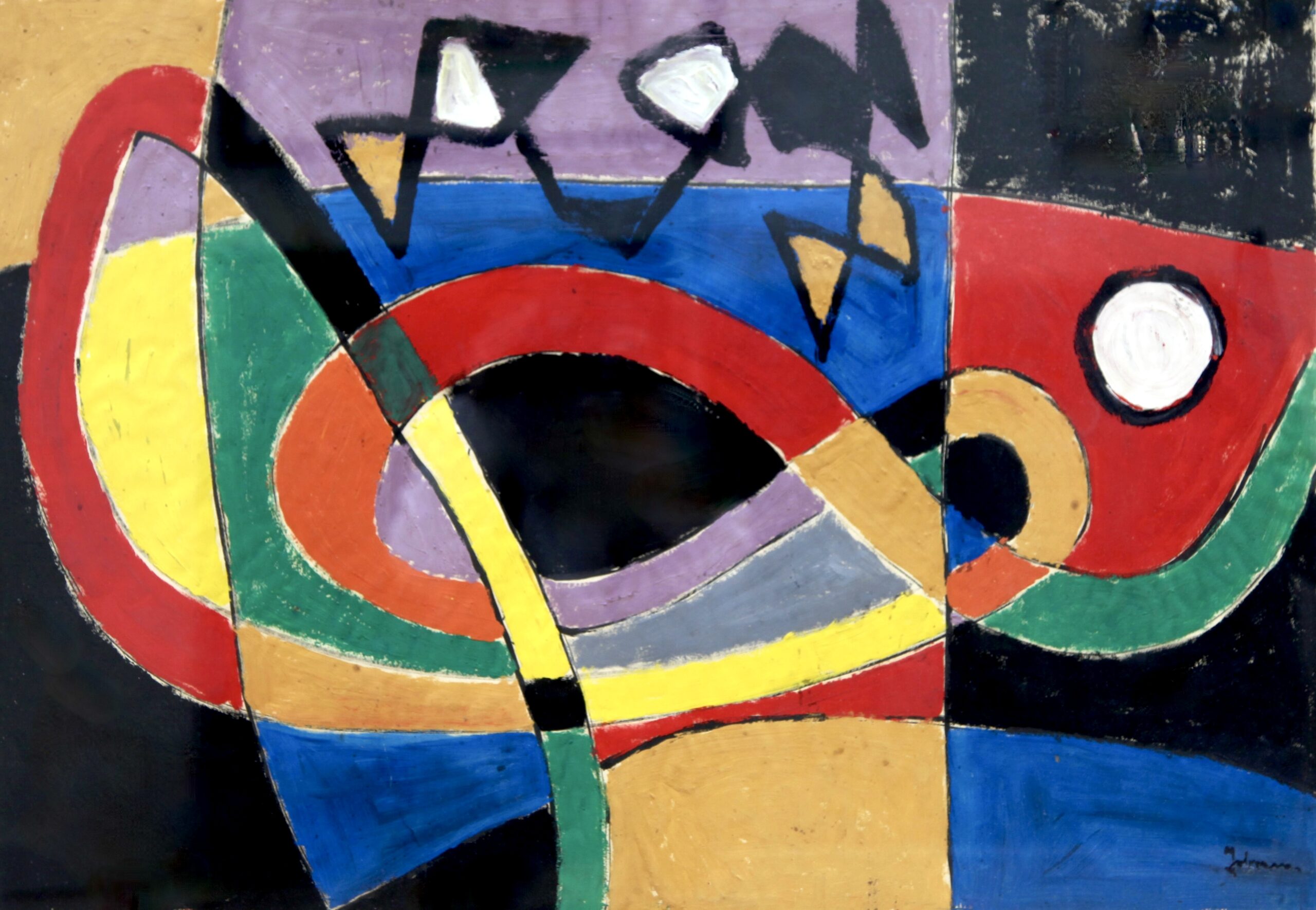
In 1952, Brenneis became a co-founder of the artist group “Rote Reiter” (“Red Riders”). A year later, he returned to Spain and Mallorca, where he spent several days with Joan Miró. In 1954, together with his friend Feri Varga, he traveled to Cagnes-sur-Mer in Southern France, where he met Pablo Picasso personally. This encounter deeply impressed him and led to an intensive engagement with Cubist forms and structures. During a six-month stay in Southern France, Brenneis created numerous works reflecting these new artistic influences. Upon his return to Germany, these paintings were exhibited with great success at the Badischer Kunstverein.
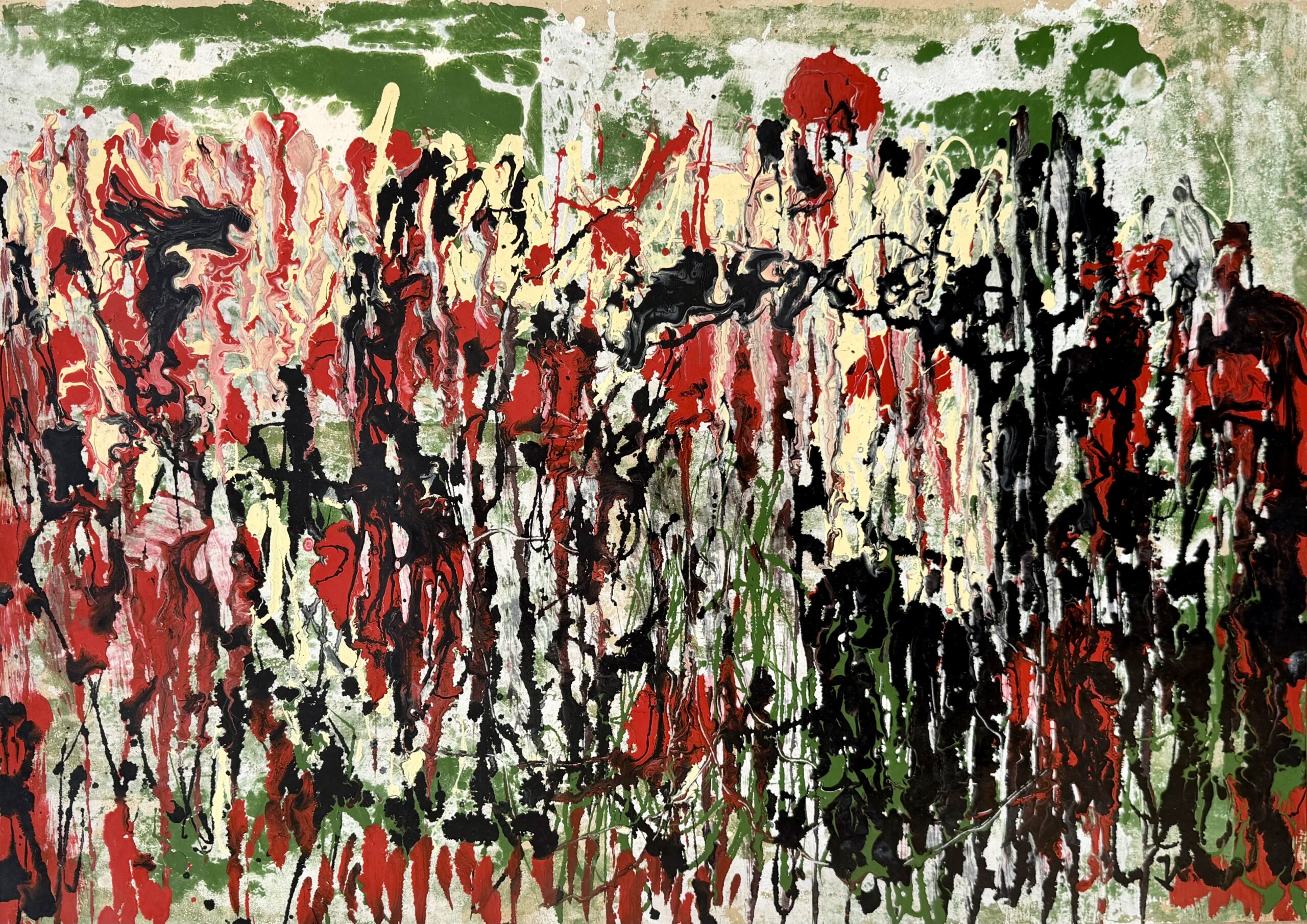
Another decisive turning point came in 1956 during his first stay in the United States, especially in New York and Boston. There, Brenneis encountered the works of Jackson Pollock, whose experimental approach left a lasting impression on him. Inspired by Pollock’s techniques, Brenneis developed his own unique artistic method: he began working on the surfaces of his paintings with razor blades, creating the so-called “scratched” or incised paintings. These works possessed extraordinary luminosity, texture, and depth, making them internationally recognized. Paintings such as the famous “Composition in Red” attracted considerable attention in Europe and the Americas.
In 1958, Brenneis founded both the “Working Group of Visual Artists Rhine-Main” and the “Association of Visual Artists Rhine-Main.” Through these organizations, he exhibited his work internationally, including at the Palazzo del Parco in Bordighera. In the following years, he participated in major exhibitions in Dijon, Paris, Munich, Frankfurt, and Genoa. His innovative incised paintings were especially celebrated in Paris, where they were shown at the renowned “Salon des Réalités Nouvelles,” marking his international breakthrough.
Further exhibitions followed in the United States, including New York and Florida, as well as presentations in Santiago de Chile. One of the highlights of his career took place in 1964 in Mainz, where his works were exhibited alongside paintings by Georges Braque, Marc Chagall, Otto Dix, Erich Heckel, Pablo Picasso, and Heinz Trökes.
Until his final exhibition in 1969, Brenneis remained faithful to his artistic vision. His paintings combined expressive color with compositional discipline and reflected a body of work shaped equally by experimentation, joy, and artistic rigor. In 1970, a serious illness forced him to end his artistic career far too early. Jo Brenneis passed away in 1994 in Hochheim near Frankfurt. Today, his oeuvre is regarded as an important contribution to German postwar art, bridging Expressionism, Abstraction, and Informel painting.
During the years of World War II, from 1938 to 1945, Brenneis worked as a technical draftsman for MAN in Mainz-Gustavsburg. After the war, he resumed his career as a freelance painter with renewed energy. Extensive travels followed, taking him to Switzerland, Holland, Italy, Ischia, Southern France, Spain, Mallorca, and the United States. During this period, he maintained friendships and artistic exchanges with important figures such as Pablo Picasso, Joan Miró, Eduard Bargheer, Werner Gilles, Feri Varga, Heinz Trökes, and Hermann Schmidt-Schmied. Art critics already referred to him in 1949 as a “Magician of Color” because of his extraordinary mastery of color and luminous compositions.
In 1952, Brenneis became a co-founder of the artist group “Rote Reiter” (“Red Riders”). A year later, he returned to Spain and Mallorca, where he spent several days with Joan Miró. In 1954, together with his friend Feri Varga, he traveled to Cagnes-sur-Mer in Southern France, where he met Pablo Picasso personally. This encounter deeply impressed him and led to an intensive engagement with Cubist forms and structures. During a six-month stay in Southern France, Brenneis created numerous works reflecting these new artistic influences. Upon his return to Germany, these paintings were exhibited with great success at the Badischer Kunstverein.
Another decisive turning point came in 1956 during his first stay in the United States, especially in New York and Boston. There, Brenneis encountered the works of Jackson Pollock, whose experimental approach left a lasting impression on him. Inspired by Pollock’s techniques, Brenneis developed his own unique artistic method: he began working on the surfaces of his paintings with razor blades, creating the so-called “scratched” or incised paintings. These works possessed extraordinary luminosity, texture, and depth, making them internationally recognized. Paintings such as the famous “Composition in Red” attracted considerable attention in Europe and the Americas.
In 1958, Brenneis founded both the “Working Group of Visual Artists Rhine-Main” and the “Association of Visual Artists Rhine-Main.” Through these organizations, he exhibited his work internationally, including at the Palazzo del Parco in Bordighera. In the following years, he participated in major exhibitions in Dijon, Paris, Munich, Frankfurt, and Genoa. His innovative incised paintings were especially celebrated in Paris, where they were shown at the renowned “Salon des Réalités Nouvelles,” marking his international breakthrough.
Further exhibitions followed in the United States, including New York and Florida, as well as presentations in Santiago de Chile. One of the highlights of his career took place in 1964 in Mainz, where his works were exhibited alongside paintings by Georges Braque, Marc Chagall, Otto Dix, Erich Heckel, Pablo Picasso, and Heinz Trökes.
Until his final exhibition in 1969, Brenneis remained faithful to his artistic vision. His paintings combined expressive color with compositional discipline and reflected a body of work shaped equally by experimentation, joy, and artistic rigor. In 1970, a serious illness forced him to end his artistic career far too early. Jo Brenneis passed away in 1994 in Hochheim near Frankfurt. Today, his oeuvre is regarded as an important contribution to German postwar art, bridging Expressionism, Abstraction, and Informel painting.
Early Work

Abstract forest landscape

Abstract Composition II

Untitled
Untitled

Abstract Composition I
Late Work

Blue Composition

Galaxy

Untitled

Untitled
Untitled