
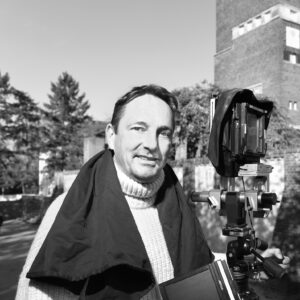
Carsten Costard
Carsten Costard, born in 1965, has been working independently in the photography trade since 1994, following a traditional apprenticeship as a photographer and a master craftsman’s examination.
His field is industrial and architectural photography. His clients across Europe include, among others, Schott AG, Oerlikon Balzers, the KfW banking group, LBBW Immobilien, and the Max Planck Institute.
Show More
The subject of light plays an outstanding role in his work. To stage objects made of special glass, medical devices, complex industrial facilities, or material structures as well as physical and chemical processes, a wide range of different lighting and the expertise to use it precisely are essential.
Flash systems with a total output of up to 12,000 watt-seconds are partially used.
The technical mastery of these tools, however, is only one aspect that makes his work exceptional. His artistic eye and his experience in composing existing lighting conditions together with all photographic and lighting techniques into a unified overall impression are what truly define his work.
Resulting from this, the idea emerged for a personal series that places nature at the center of his work. In this series, Carsten Costard explores new areas of light staging.
The flash system is not only meant to illuminate things, but also to make them glow. The inspiration here comes from painting since Leonardo da Vinci, with the idea of distinguishing between illuminating light (luce), which shines onto objects, and body light (lumen), which radiates from the illuminated object as a sensory experience.
The creative question: How can a photographer paint with light?
Carsten Costard draws inspiration from the old masters of art history, especially early Romantics such as Caspar David Friedrich. He is fascinated by transcending the mere depiction of reality in pursuit of the ideal of landscape. His stylistic approach involves spotlight-like illumination of key visual elements and the dramatic exaggeration of components such as the sky.
In creating this series, Carsten Costard chose to rely entirely on his craftsmanship and traditional tools. He works exclusively with camera and flash, deliberately avoiding any digital post-processing—an extraordinary approach in our age dominated by digital manipulation.
The results of this work are presented in his series “PAINTED BY LIGHT.”
This resulted in spectacular natural scenes—quiet, meditative images that invite the viewer into a reality that is both photographic and painterly.
Photography
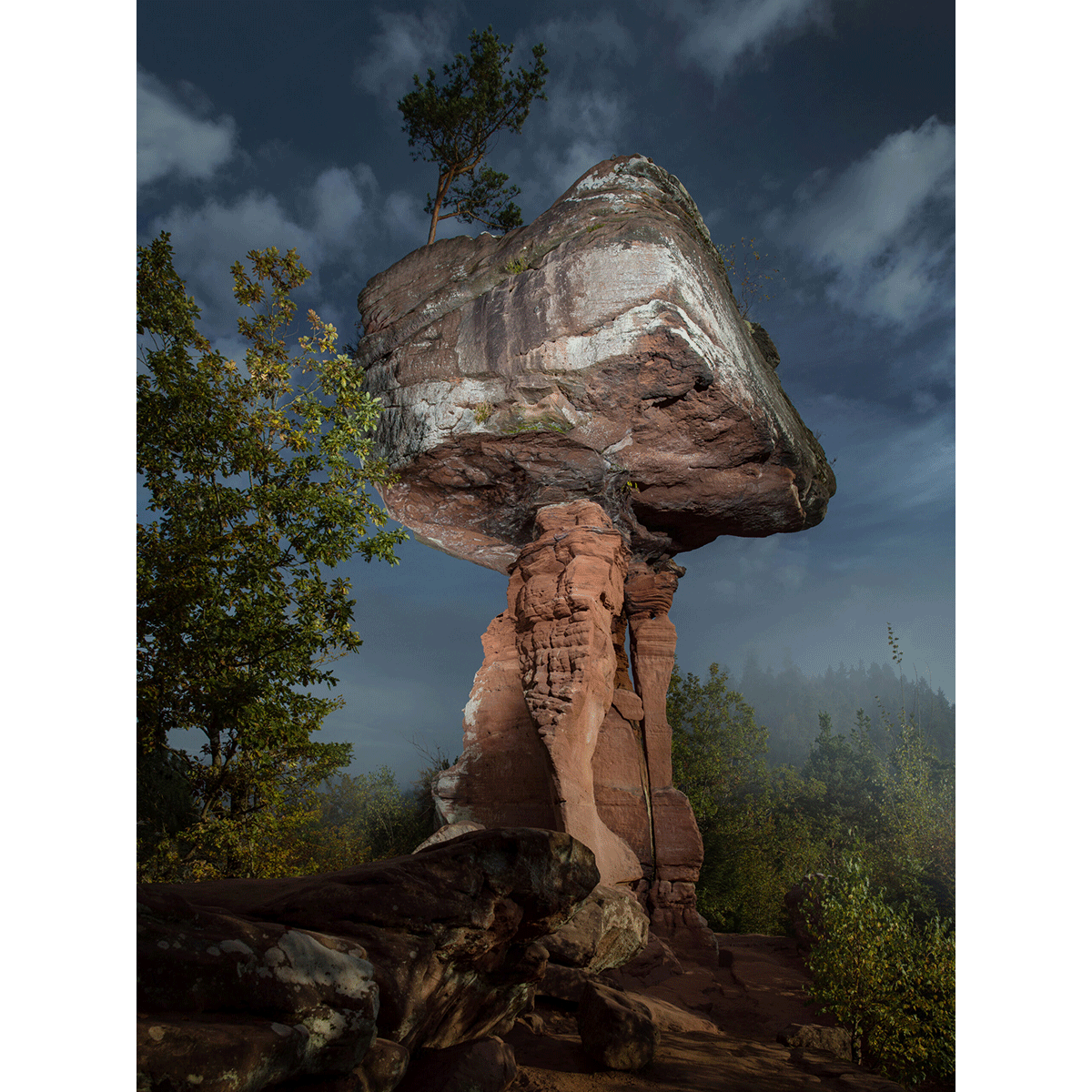
Teufelstisch
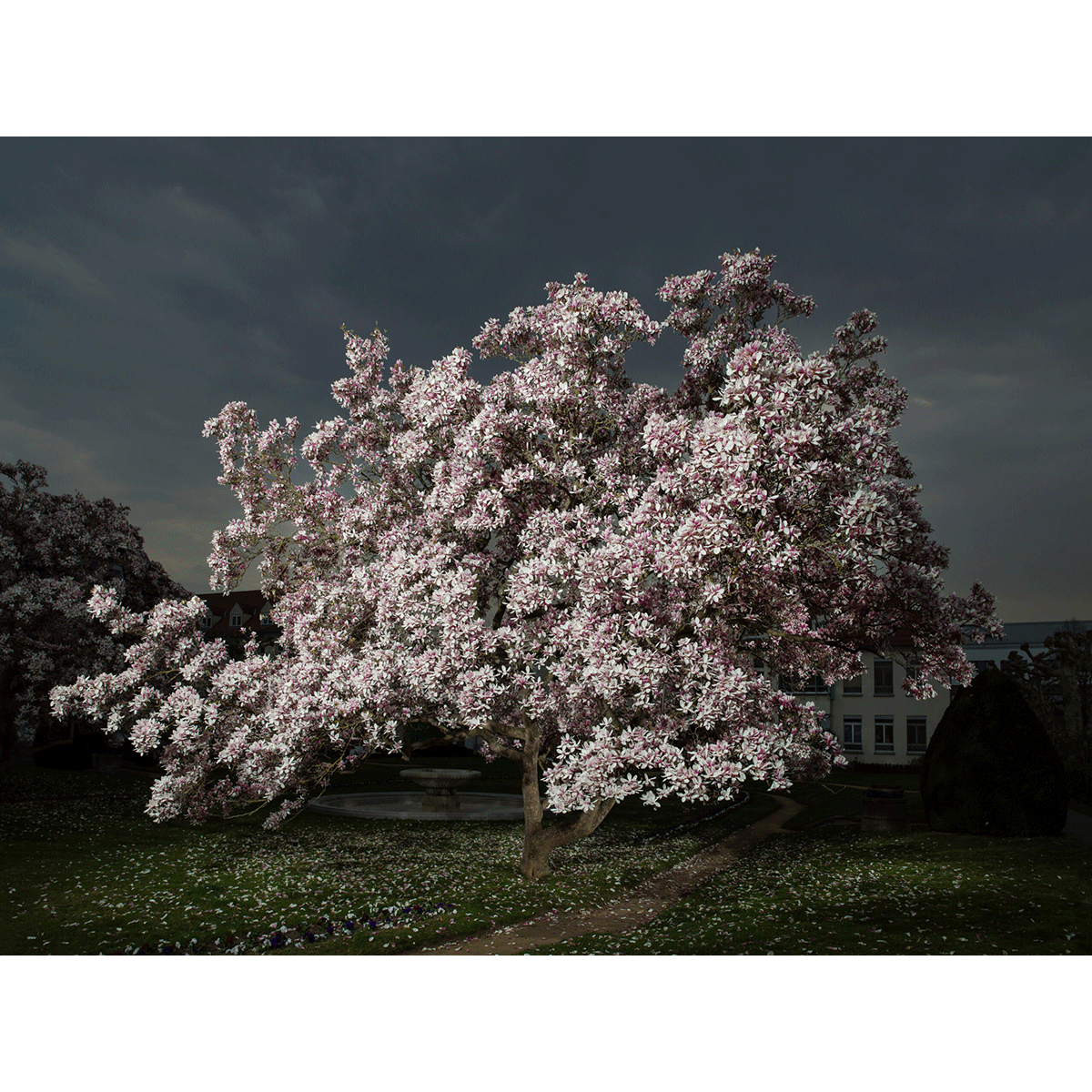
Magnolie
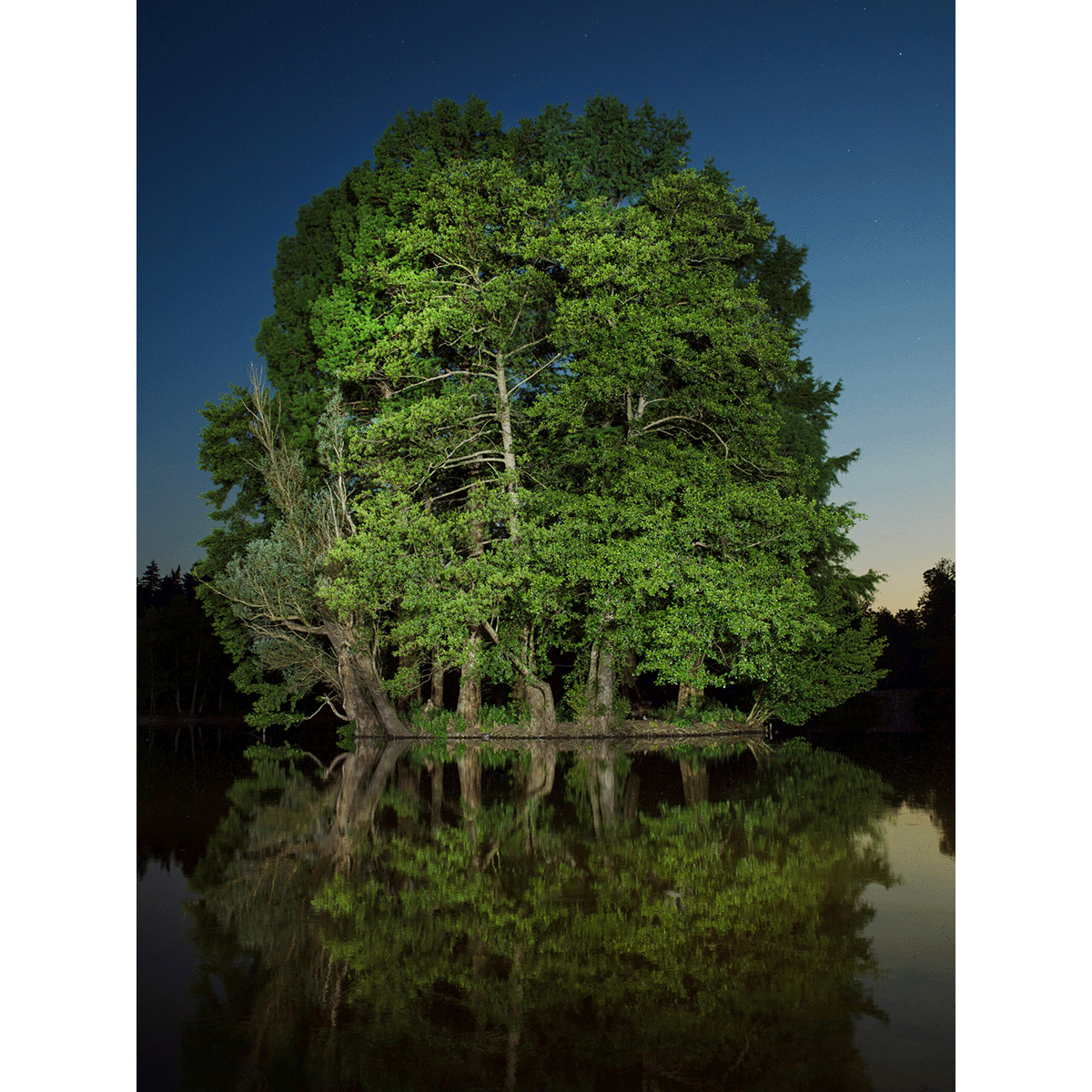
Insel
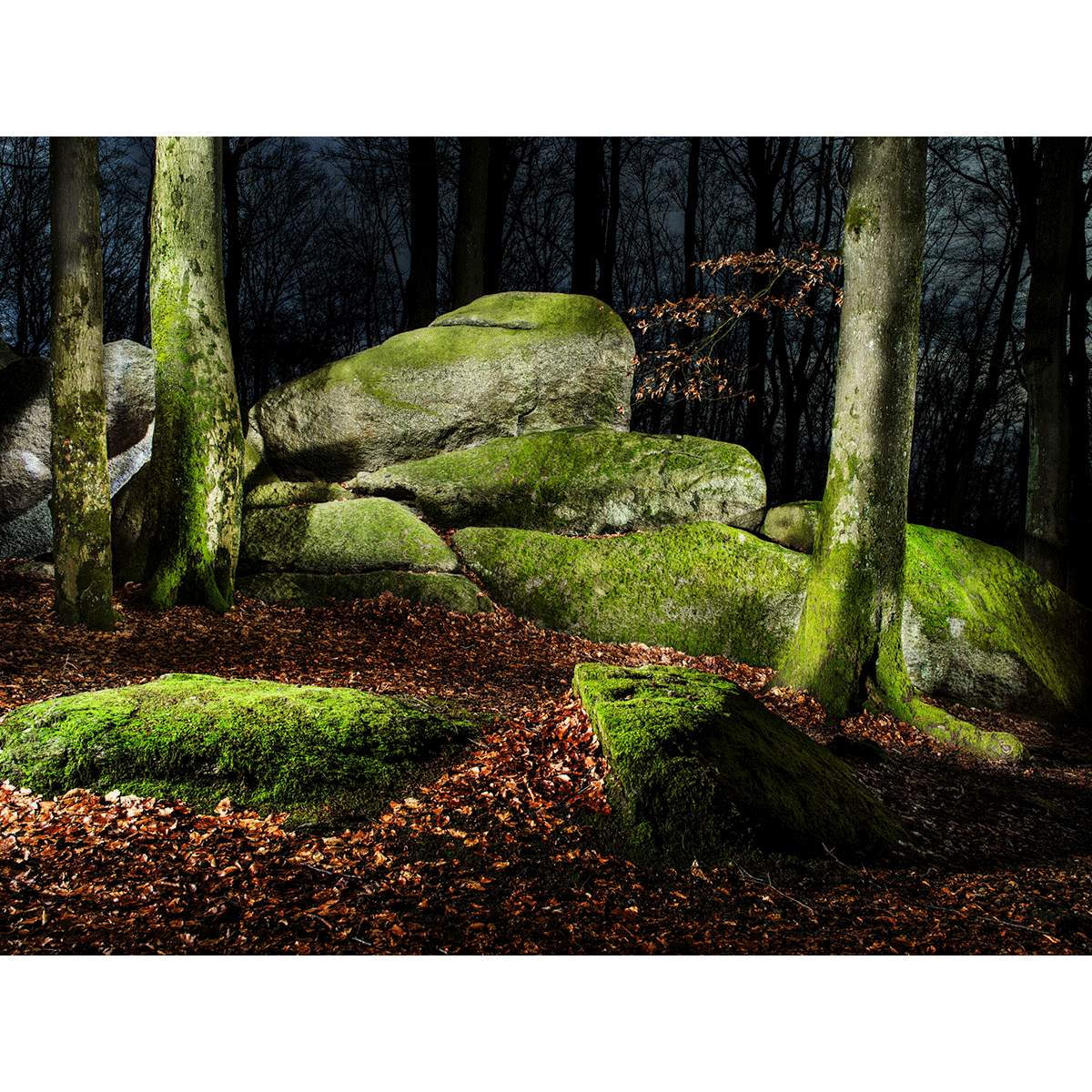
Felsenmeer
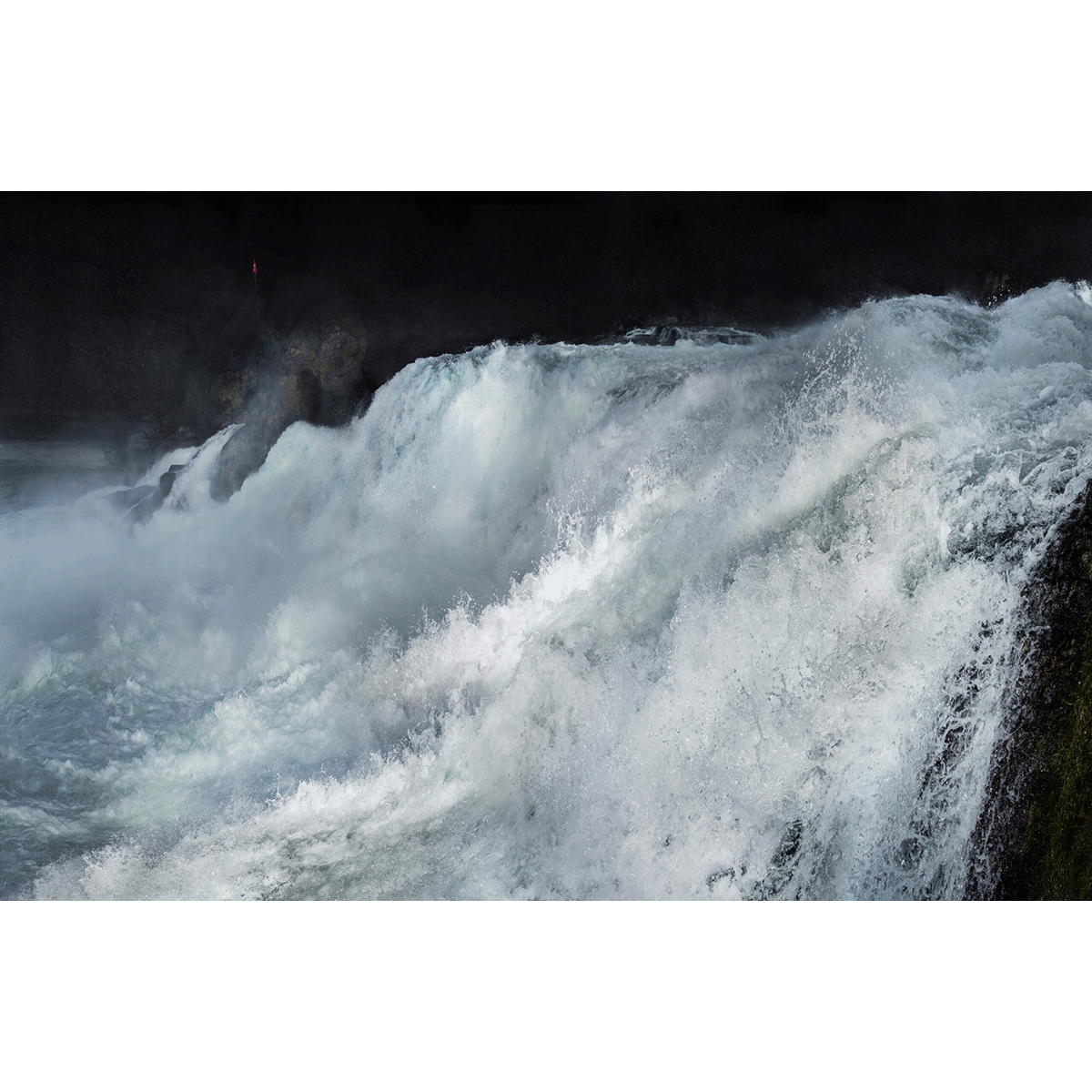
Rheinfall
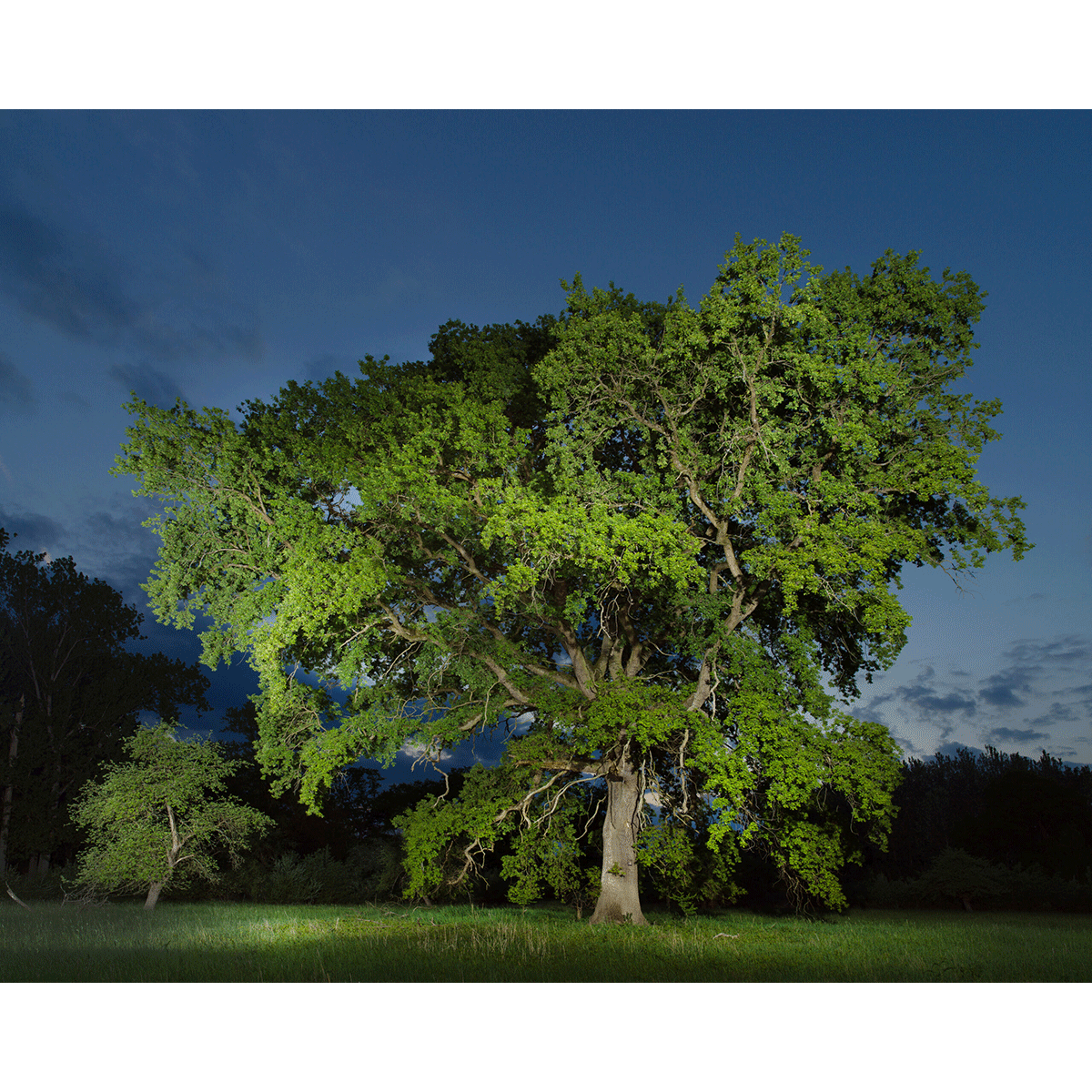
Eiche
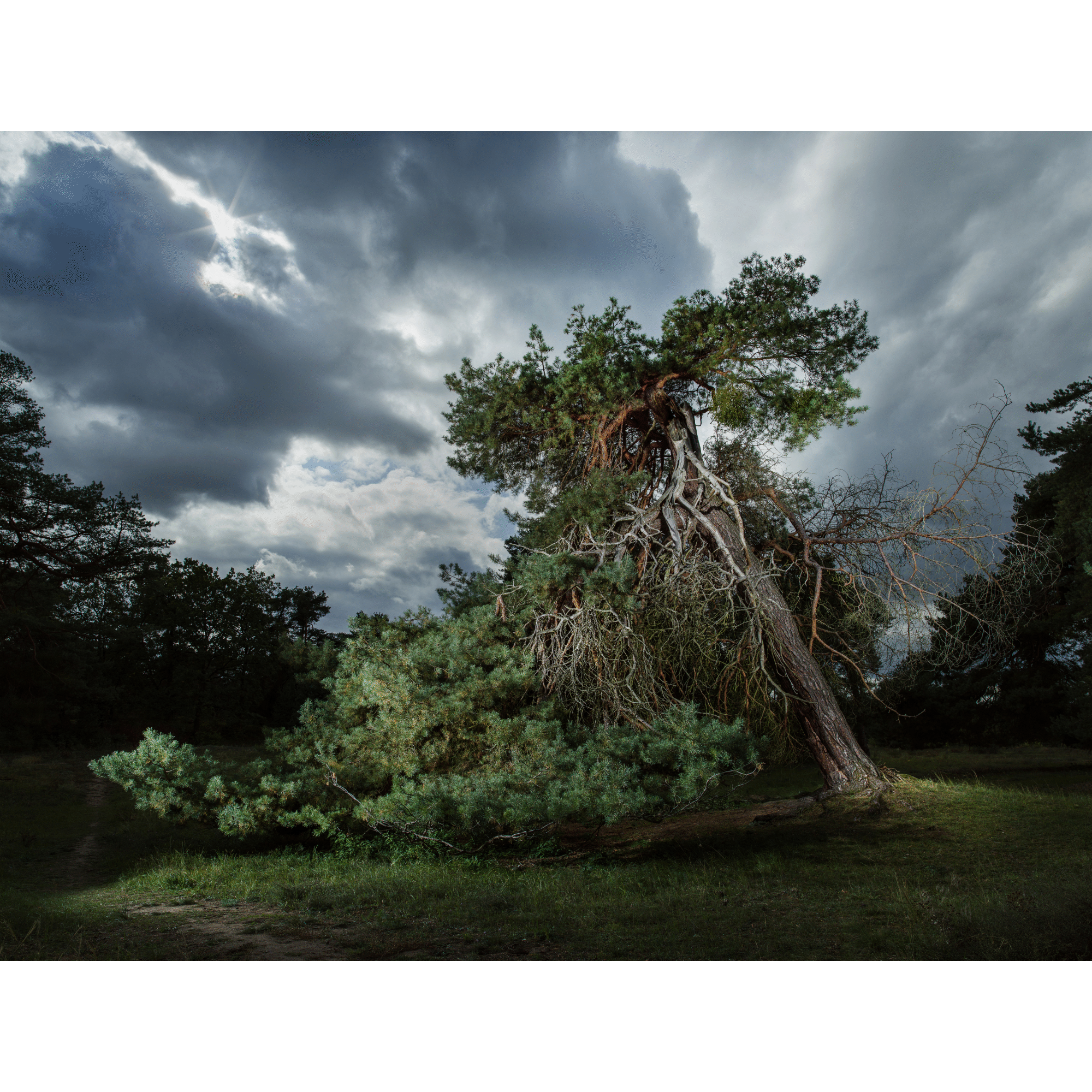
Kiefer. Großer Sand
Costard on Working on “PAINTED BY LIGHT”
“After some test shots, which allowed me to determine what was technically possible, I began to stage a selection of natural and landscape scenes anew.”
The photographic work requires a high degree of organization in advance. I determine the exact time of day for the shoot down to the minute. The weather must provide the naturally desired light. Only when all these factors align the results can be achieved.
For example, in the shot “Pine in Sand”, I illuminated the pine tree in the Mainzer Sand nature reserve using three Elinchrome Ranger RX Speed AS flash units.
Show More
For this, I positioned a flash head with a Maxi Silver reflector on a Manfrotto 269 HDBU stand, with a maximum working height of 7.30 meters, ten meters to the left of the camera. The Maxi Silver reflector serves as the key light. The heavy, sprawling branch, seen from the viewer’s perspective on the left side of the image, is accentuated with a high-performance reflector—without adding any additional shadows to the key light’s shadow. On the right side, a side light with a Softlight reflector gives the tree trunk a three-dimensional quality.
For the past three years, I have been working with the Hasselblad medium-format digital camera H6D-100c. Its 100-megapixel sensor with 15 stops of dynamic range allows for extremely detailed image data. The shots can be produced in formats of 3×4 meters and larger.
The Hasselblad lenses use a central shutter, making it possible to use flash at any shutter speed. The otherwise rather unremarkable daytime sky was meant to gain a dramatic, powerful presence. To achieve this, I stopped down the 28mm lens to f/16 and exposed at 1/750 sec.
The romantic and painterly natural atmosphere of the image is created through the precisely measured combination of daylight and the three powerful, radio-controlled flash units.
After editing the images, the only thing that was important to me was to slightly reduce the distortion.
The entire image is completely free of retouching or any manipulation—truly painted on-site with light, PAINTED BY LIGHT.